
How to Choose the Right Auto Repair Tool for You

For many car owners, DIY auto repair is not just a way to save money—it’s a satisfying way to connect with your vehicle, solve small problems quickly, and avoid the hassle of waiting for a repair shop. But here’s the truth: even the most skilled DIYer can’t do a good job without the right auto repair tools. Choosing tools that are comprehensive, durable, and suitable for your needs is the key to making your DIY repair smooth, safe, and effective. In this guide, we’ll break down how to choose the perfect auto repair tools for you, focusing on two core points: selecting a reliable store and picking a comprehensive tool kit.
First, let’s understand why the right tools matter. Whether you’re fixing a loose windshield wiper, changing a tire, replacing an air filter, or tightening undercarriage bolts, using low-quality or incomplete tools can lead to frustration, damaged car parts, or even personal injury. A good set of auto repair tools will not only make your work easier but also last for years, saving you money in the long run. And when it comes to DIY auto repair, “comprehensive” doesn’t mean you need every tool on the market—it means having the right tools for the jobs you actually do.
Why Choosing a Reliable Store Is the First Step
Before you start picking tools, you need to find a trustworthy store to buy from. This is especially important for DIYers who may not have much experience judging tool quality. A reliable auto repair tool store will not only provide high-quality products but also offer guidance, after-sales support, and transparent information—all of which are crucial for first-time buyers.
Here’s what to look for when choosing a store:
- Quality Assurance: Look for stores that sell tools made from high-quality materials, such as chrome-vanadium steel (Cr-V) or chrome-molybdenum steel (Cr-Mo). These materials are hard, wear-resistant, and less likely to slip or break when you’re using them. Avoid stores that sell cheap, low-grade tools—they may seem like a good deal at first, but they’ll bend, rust, or fail after a few uses, costing you more in replacements <superscript:3>.
- Comprehensive Product Range: Choose a store that offers a variety of tool kits and individual tools. This way, you can start with a basic kit and add individual tools as your DIY skills grow. A good store will have everything from socket sets and ratchet wrenches to pliers, screwdrivers, and safety equipment like jacks and stands <superscript:4>.
- Customer Reviews and Reputation: Check customer reviews and ratings before buying. Look for feedback about tool quality, shipping speed, and customer service. A store with positive reviews and a good reputation is more likely to provide reliable products and support if you have questions or issues.
- Expert Guidance: The best stores have knowledgeable staff who can help you choose the right tools for your needs. They can answer questions like “What size socket do I need for my car?” or “Which tool kit is best for basic DIY repairs?” This guidance is invaluable, especially if you’re new to auto repair.
How to Choose a Comprehensive Tool Kit (The Key to DIY Success)
Once you’ve found a reliable store, the next step is to choose a comprehensive tool kit. A good tool kit should cover all the basic repairs you’re likely to do, without being overly bulky or expensive. Here’s how to pick the right one for you:
1. Assess Your DIY Needs
Start by thinking about the types of repairs you plan to do. If you’re only doing basic tasks like changing tires, replacing air filters, or tightening screws, a basic 46-piece or 53-piece socket set will be enough. This set should include a ratchet wrench, a variety of socket sizes (8mm to 19mm are the most common for cars), extension bars, and a few screwdriver bits <superscript:1><superscript:3>. If you plan to do more advanced repairs, like working on the engine or electrical system, you’ll need a larger kit with additional tools like pliers, wire cutters, a multimeter, and torque wrenches <superscript:4>.
2. Prioritize Tool Completeness
A comprehensive tool kit should have all the essential tools you need for your target repairs. Look for kits that include:
- Socket Set: Choose a set with both metric and standard sizes (though metric is more common for modern cars). Hex sockets are better than 12-point sockets because they grip bolts more securely and are less likely to round them off <superscript:3>.
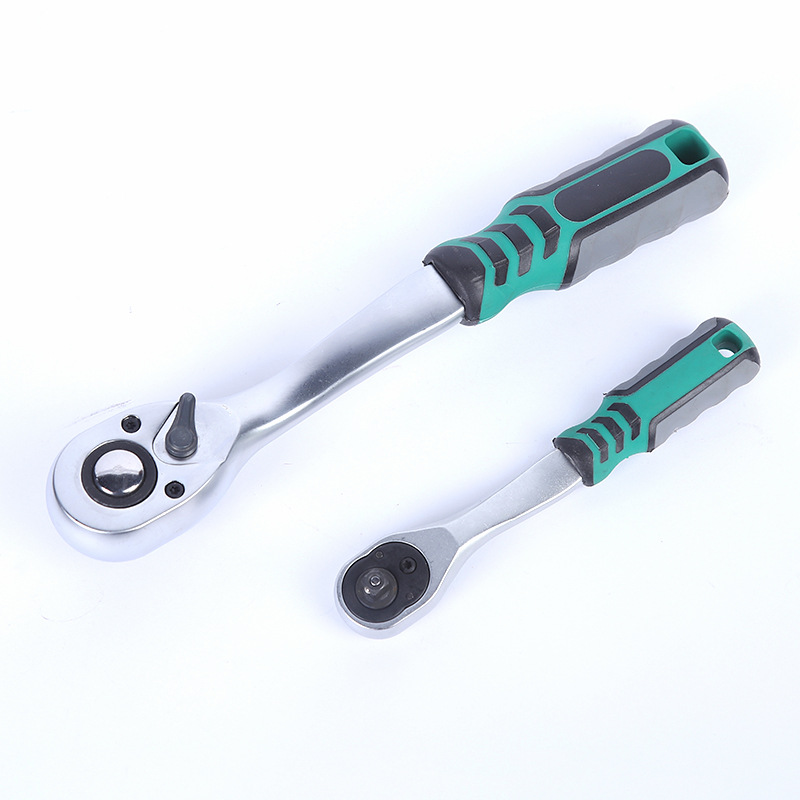
- Ratchet Wrench: Opt for a 72-tooth ratchet—it has a smaller turning angle, making it easier to use in tight spaces like the engine bay <superscript:3>.
- Screwdriver Bits: Include Phillips, flathead, Torx, and hex bits—these cover most of the screws you’ll find in your car. Magnetic bits are a bonus, as they can hold small screws and prevent them from falling into hard-to-reach places <superscript:3>.
- Pliers: A set with needle-nose pliers (for small spaces) and slip-joint pliers (for gripping) will cover most tasks, like removing clips or bending wires <superscript:3>.
- Safety Tools: Don’t forget a hydraulic jack and jack stands for lifting your car safely—never rely on just a jack when working under the vehicle <superscript:3><superscript:4>.
3. Consider Durability and Portability
Durability is key—you want tools that can withstand regular use. Look for tools with a chrome finish to resist rust, and check that the handles are comfortable and non-slip. Portability is also important if you plan to keep tools in your car for emergencies. A compact, organized toolbox will make it easy to store and transport your tools <superscript:1><superscript:4>.
4. Avoid Overbuying
You don’t need the most expensive or largest kit on the market. Focus on quality over quantity. A well-made basic kit will serve you better than a cheap, large kit with low-quality tools. As you gain more experience, you can add individual tools to your collection.
Final Tips for Choosing the Right Auto Repair Tools
- Match Tools to Your Car: Different cars have different bolt sizes and components. For example, Japanese cars often use metric bolts, while older American cars may use standard sizes. Check your car’s manual to ensure your tools are compatible <superscript:3>.
- Test Before You Buy (If Possible): If you’re buying in-store, ask to test the tools—feel the weight, check the grip, and make sure the ratchet moves smoothly.
- Invest in Key Tools: If you’re on a budget, prioritize key tools like a good socket set and ratchet wrench—these will be used in almost every repair.
- Communicate with the Store: If you’re unsure which tools you need, don’t hesitate to ask the store’s staff. They can help you choose a kit that fits your budget and DIY goals. And if you have questions after buying, a reliable store will be there to assist you.
DIY auto repair is a rewarding skill, but it all starts with the right tools. By choosing a reliable store and a comprehensive tool kit, you’ll set yourself up for success—making every repair easier, safer, and more enjoyable. Whether you’re a beginner or an experienced DIYer, the right tools will help you get the job done right the first time.
If you have questions about which tool kit is best for your needs, or if you need help finding the right tools for a specific repair, feel free to contact us—we’re here to help you make the most of your DIY auto repair journey.